Bar-vista
00. overview
This project explores how the Mar Vista tract in Los Angeles can adapt to meet today’s housing needs. It begins with a close study of a single mid-century home, using drawings and models to understand its space, construction, and patterns of living. Building on this, the lots are adapted to include two additional dwelling units, increasing density while balancing privacy and shared space. Finally, the project expands to reimagine the entire neighborhood as a more connected, higher-density community. Overall, it considers how suburban housing can evolve to address affordability, accessibility, and the need for stronger, more supportive ways of living.
01. House
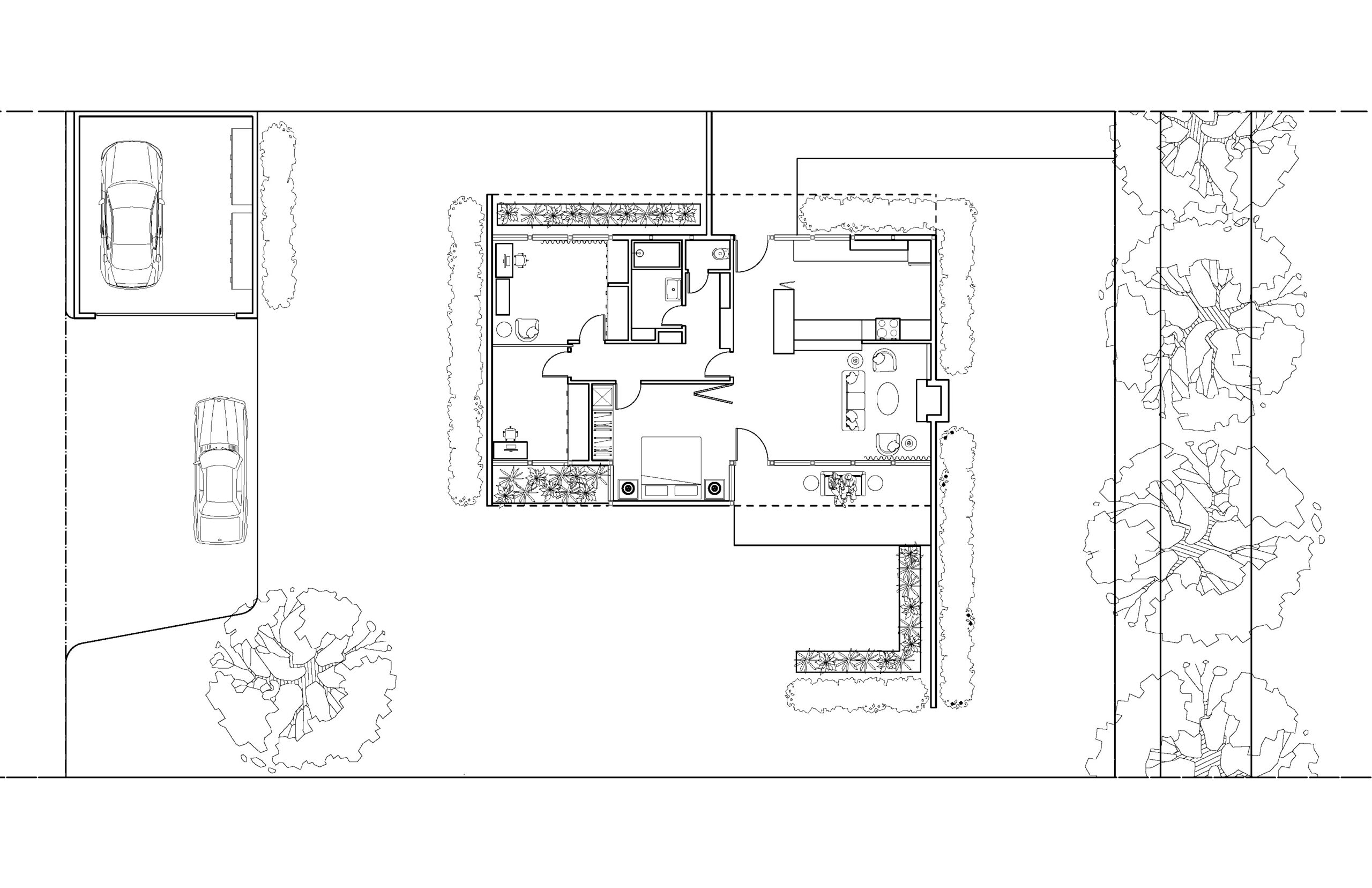
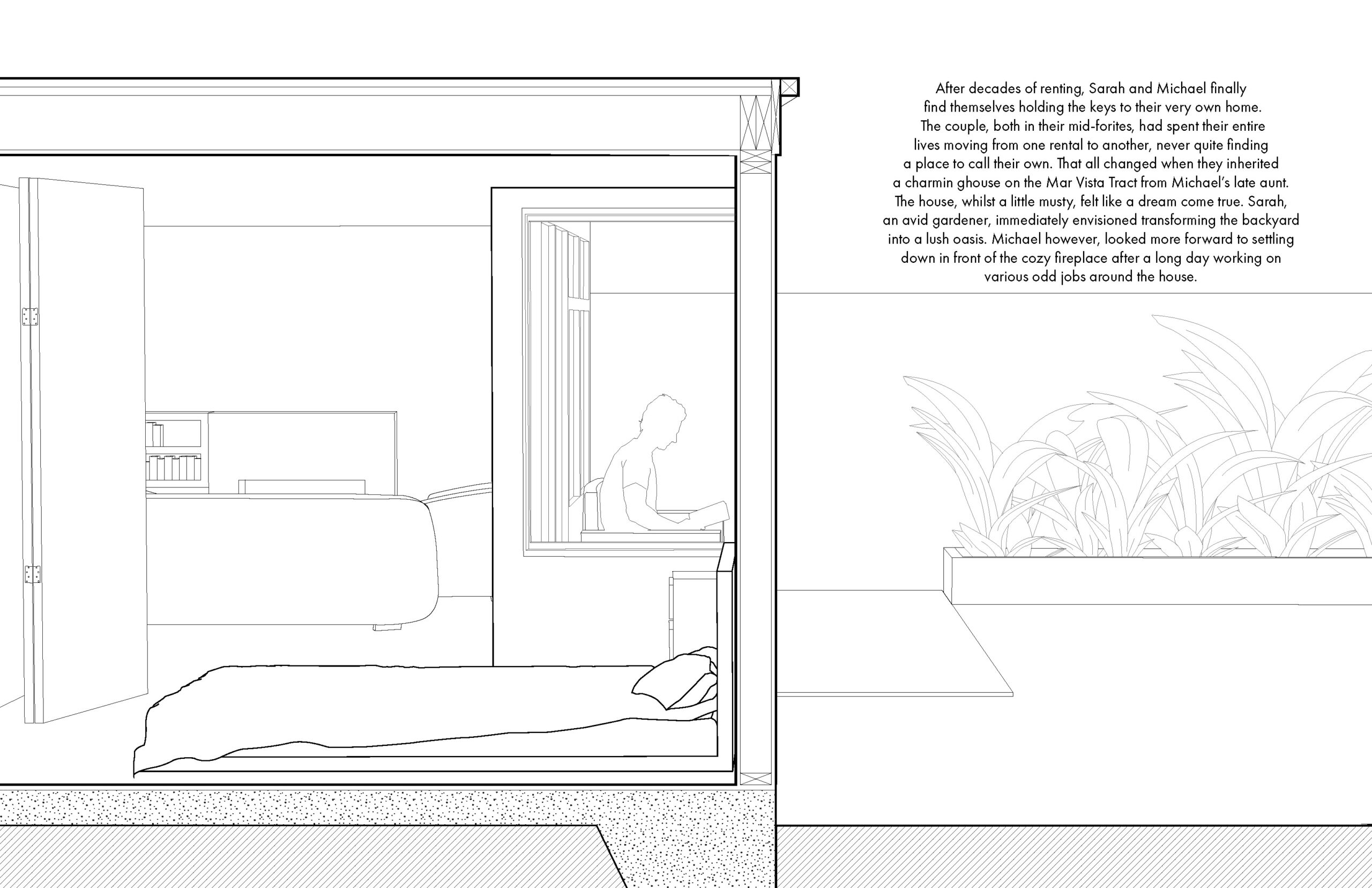
This part of the project involved an in-depth research and documentation of an existing architecture within the Mar Vista tract in Los Angeles. Each student was assigned a unique lot to study, document, and evaluate.
02. Houses
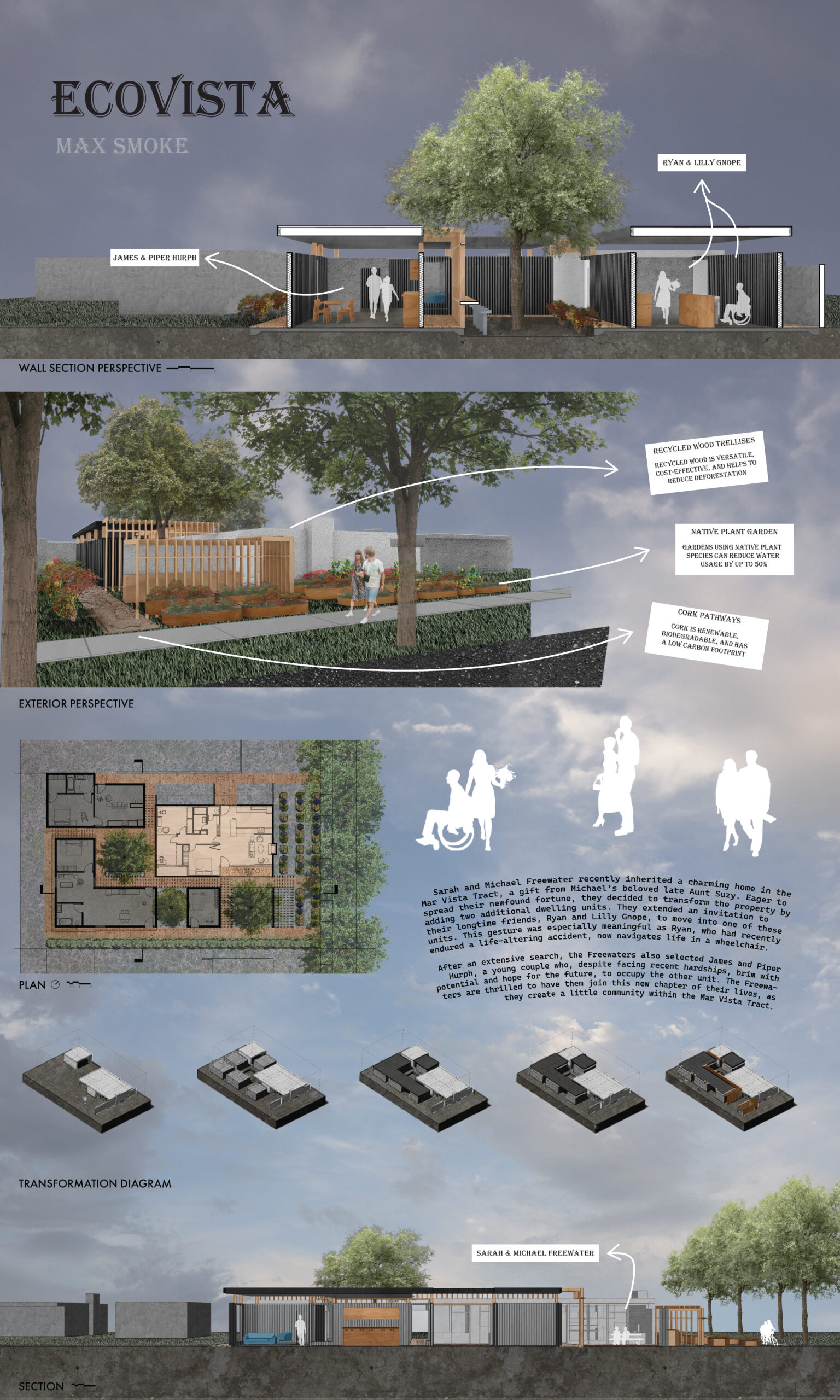
The next part of the project called for the renovation of our lot to include additional dwelling spaces for two new households. The objective was to explore architectural solutions to increase density, privacy, and shared spaces within the context of Los Angeles’ ongoing housing crisis.
03. housing
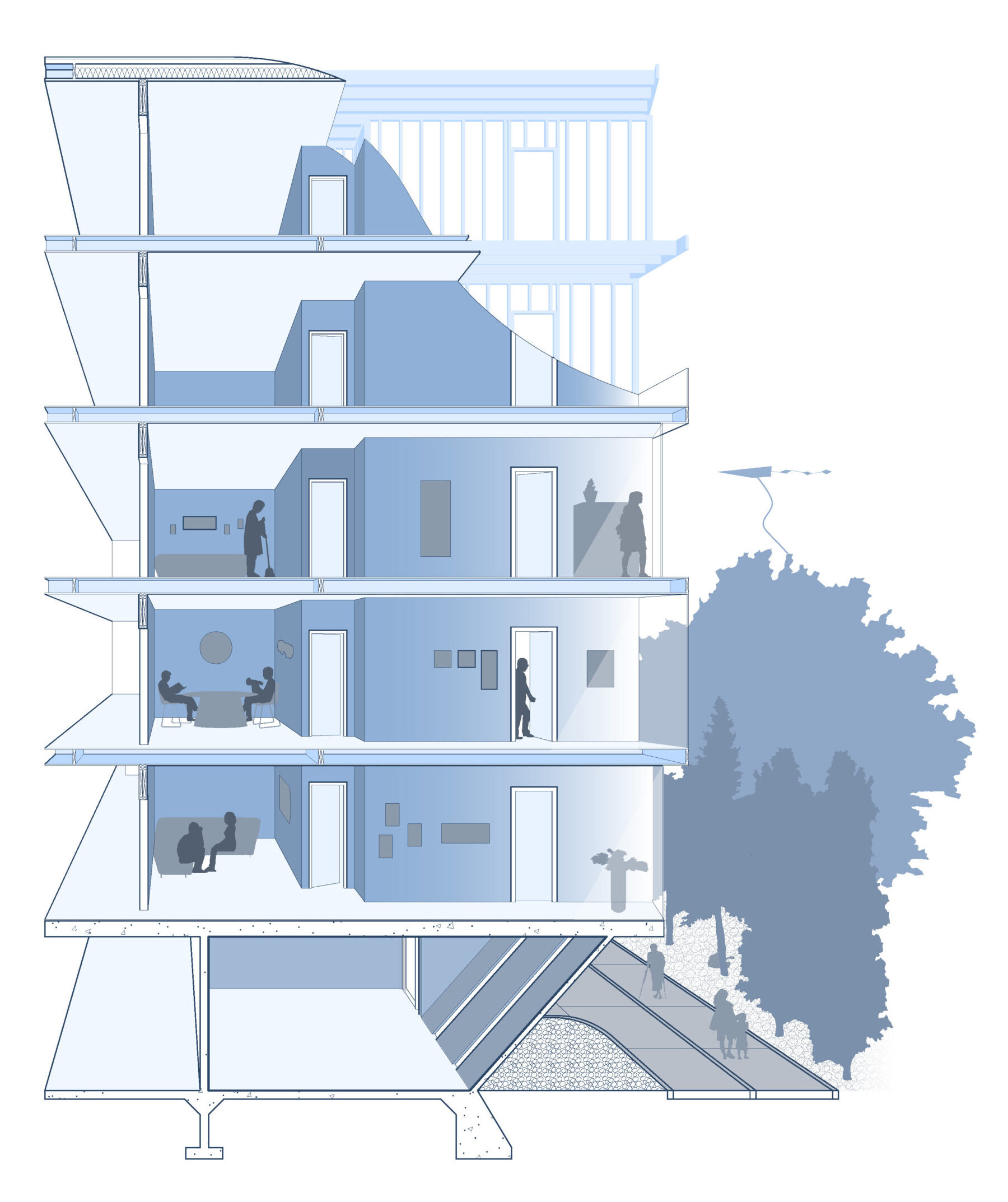
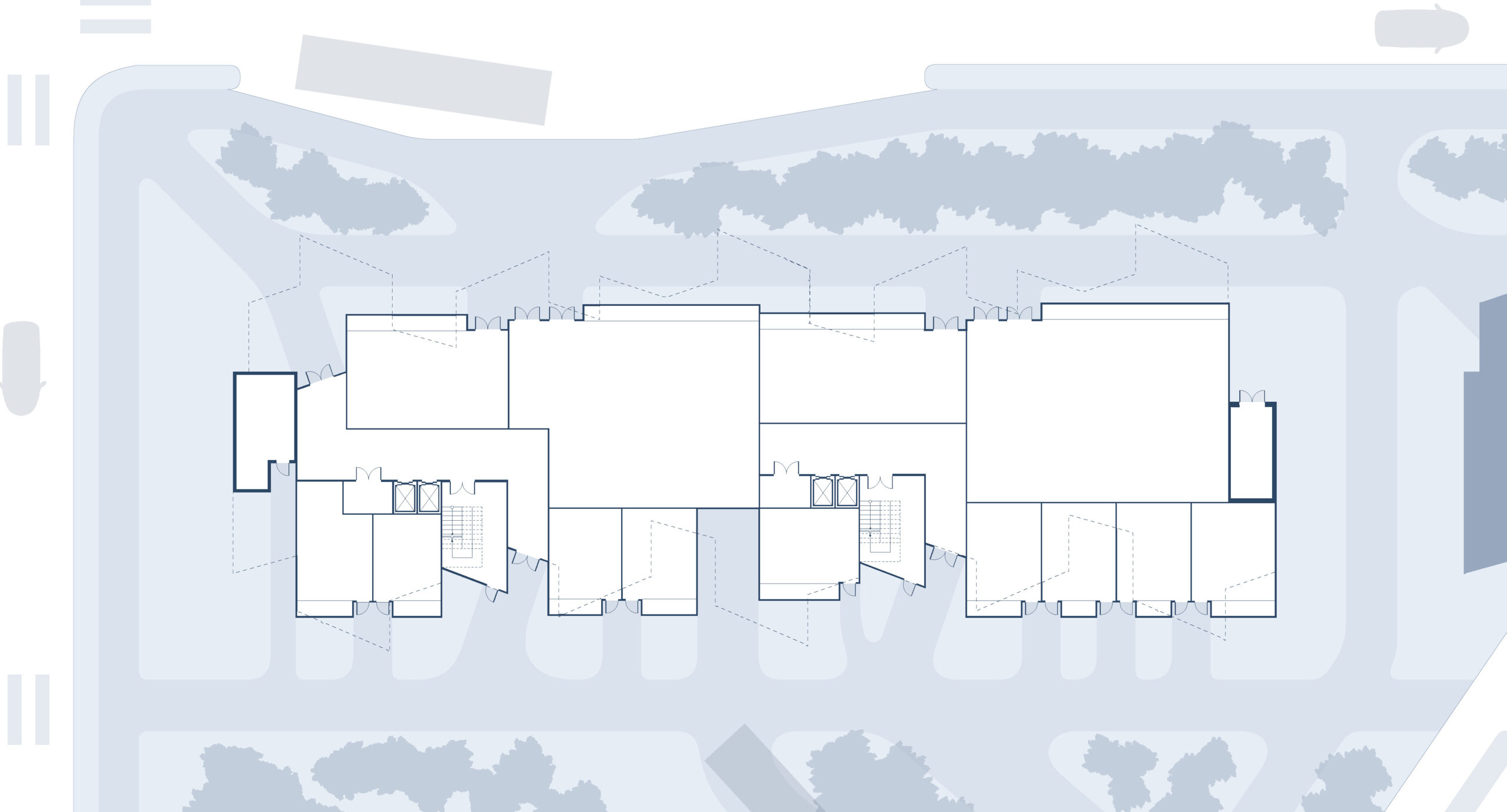
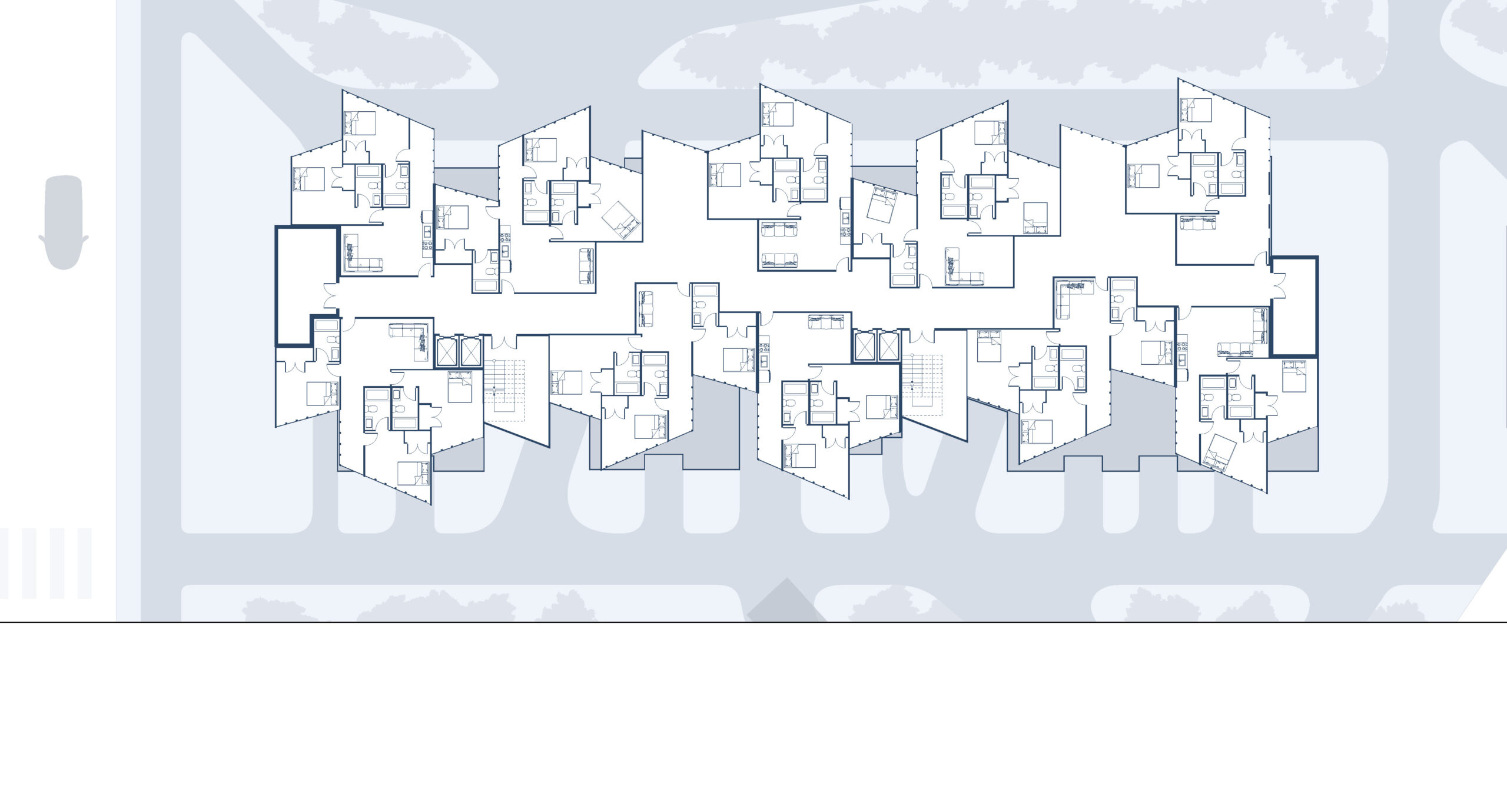
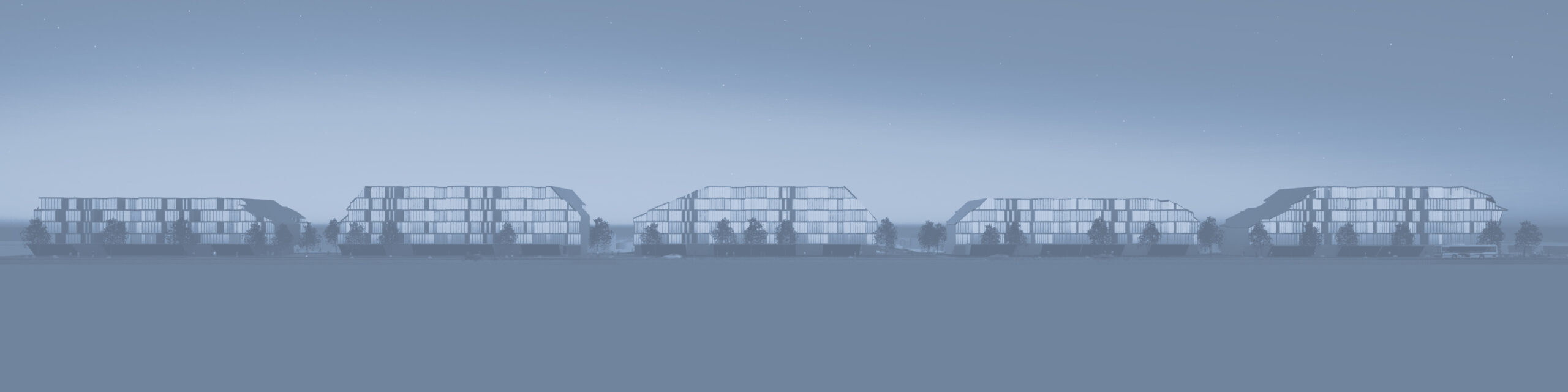
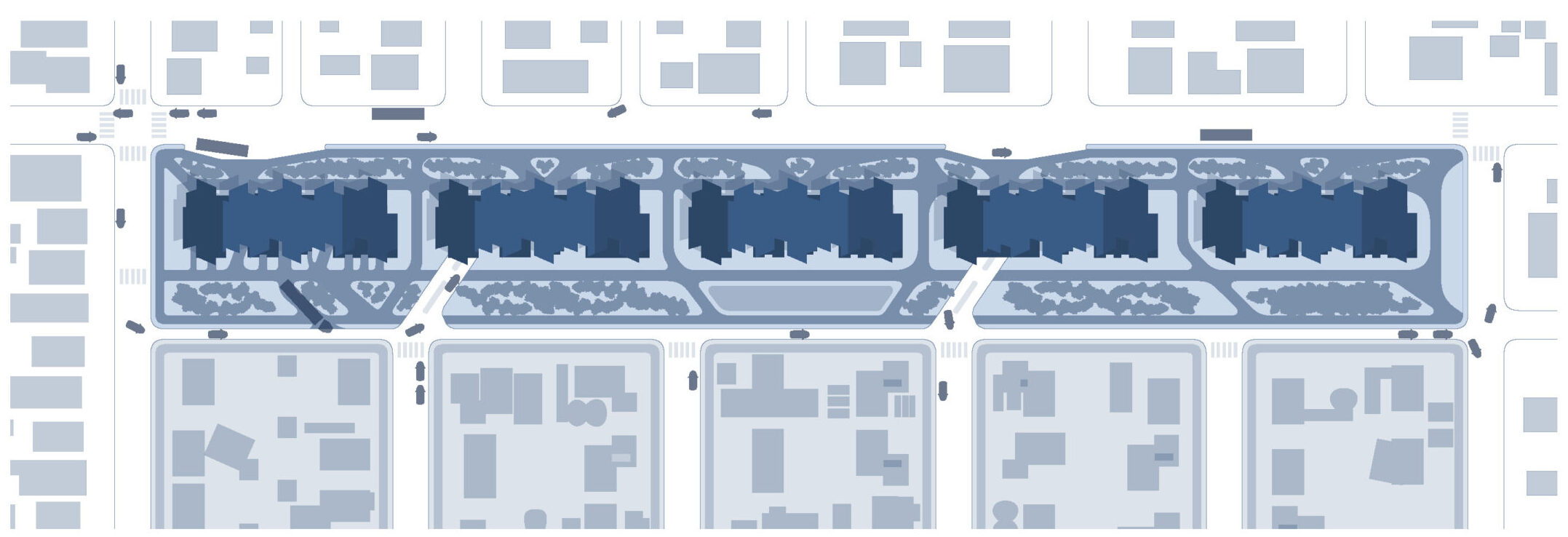
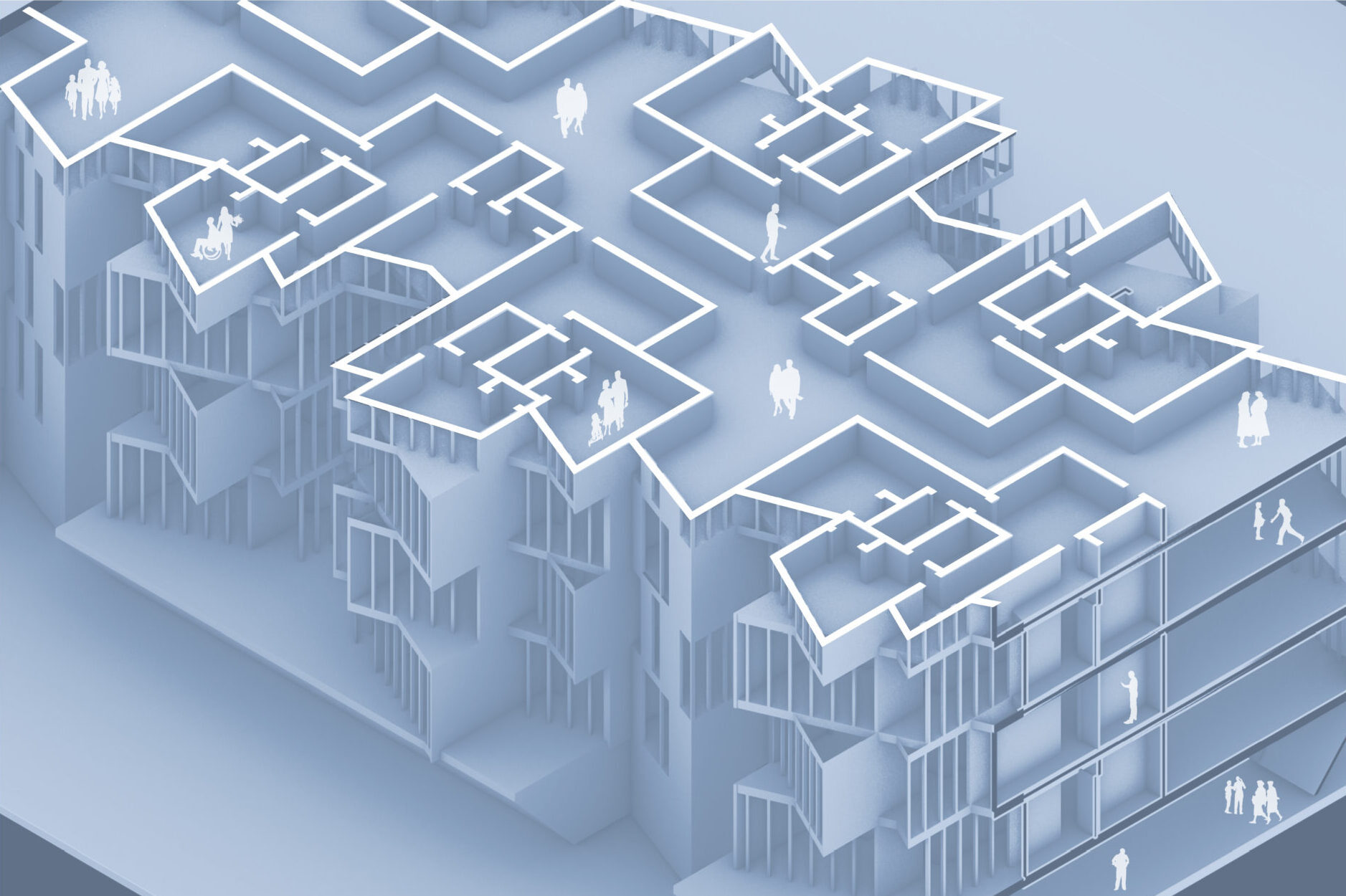
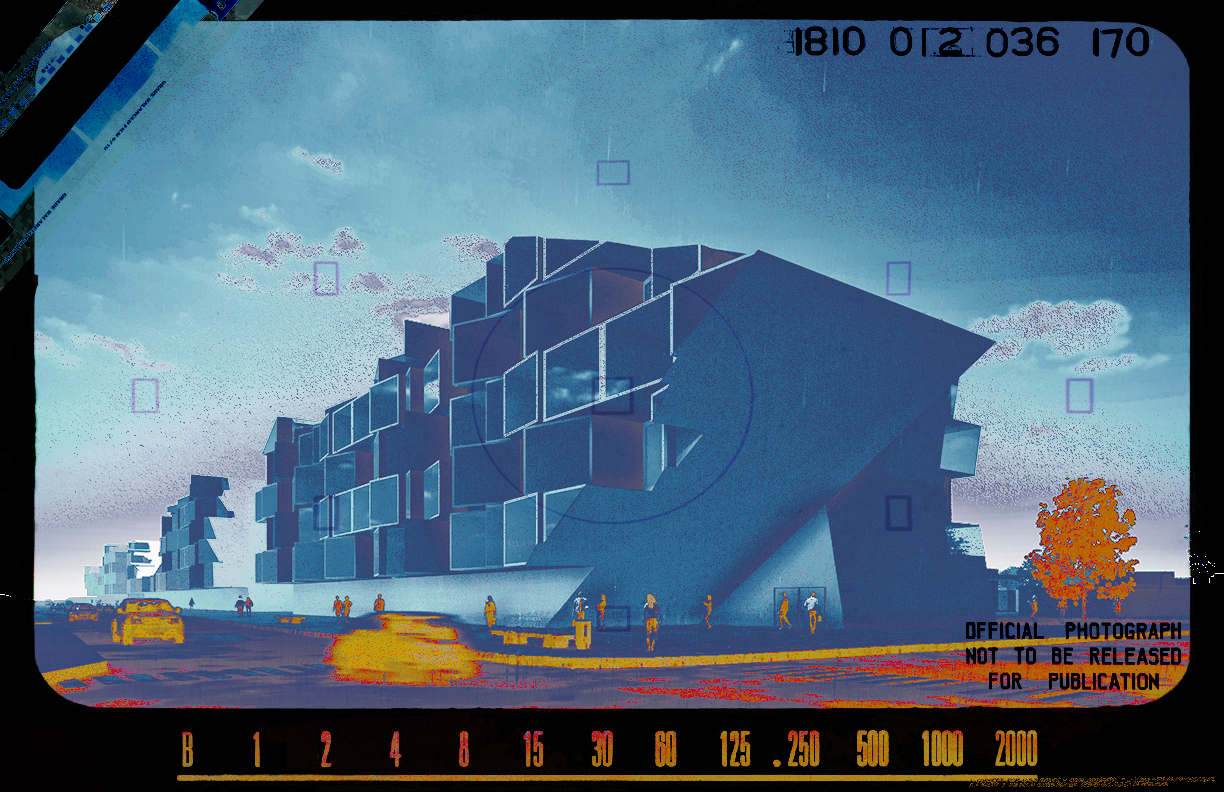
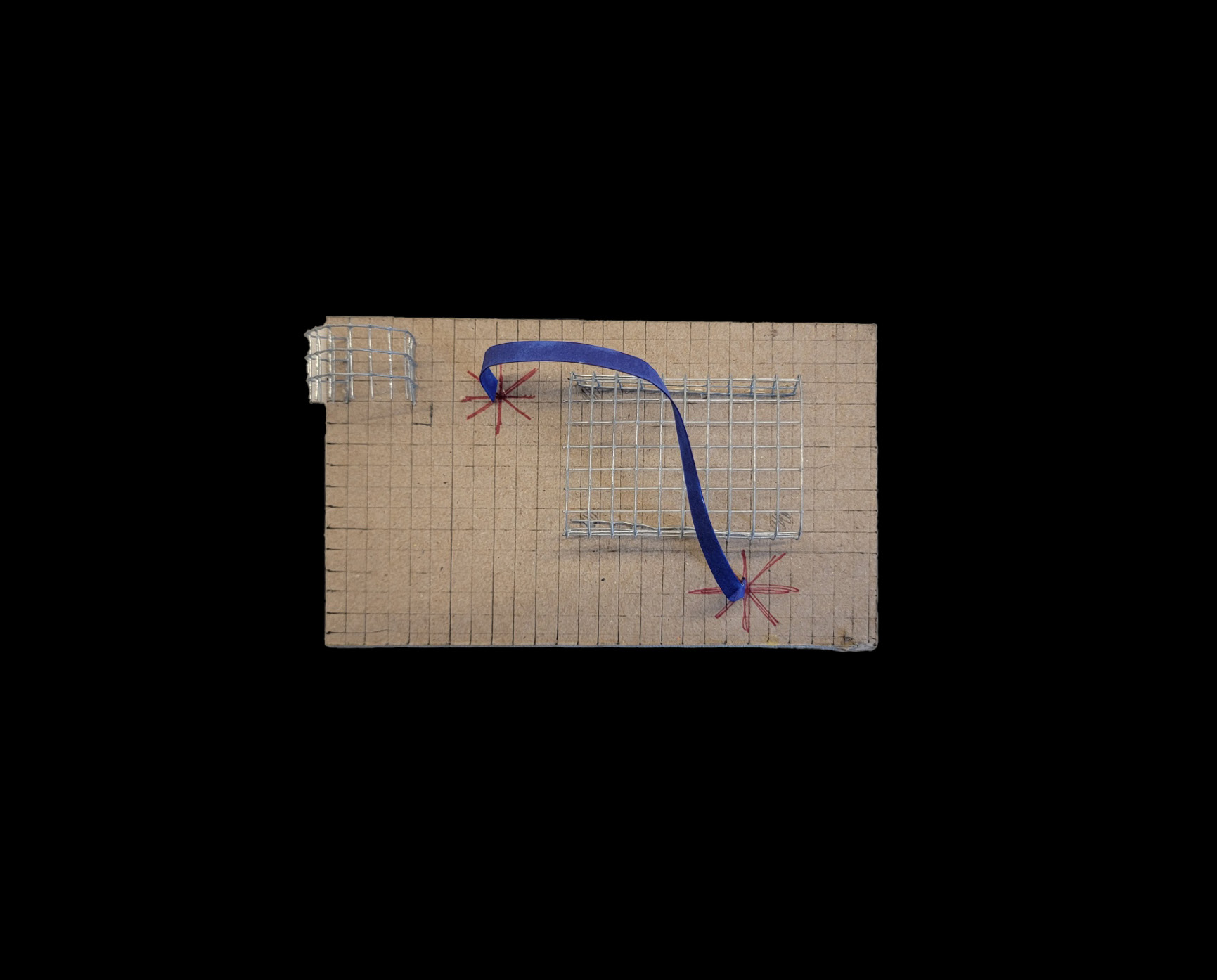
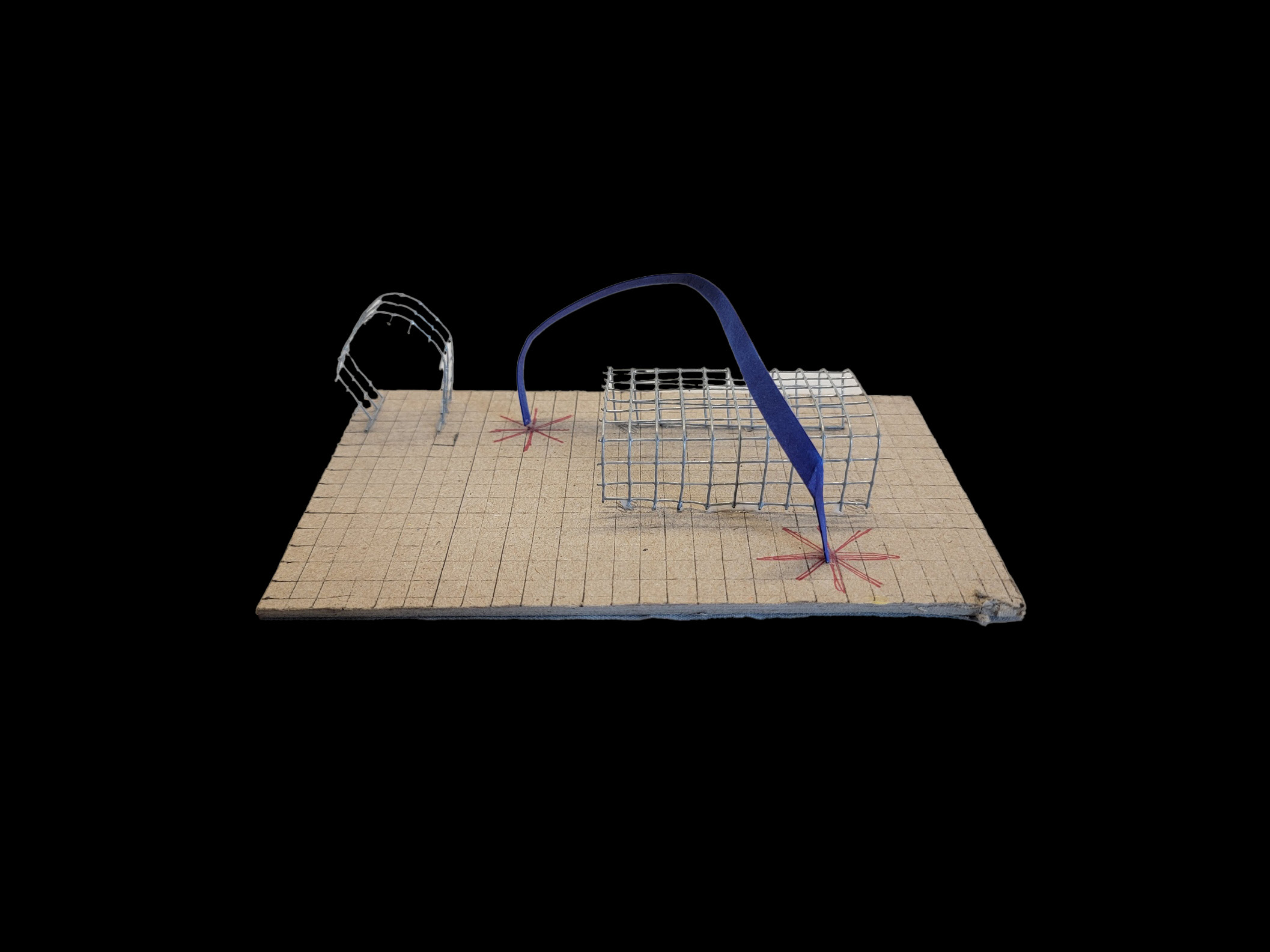
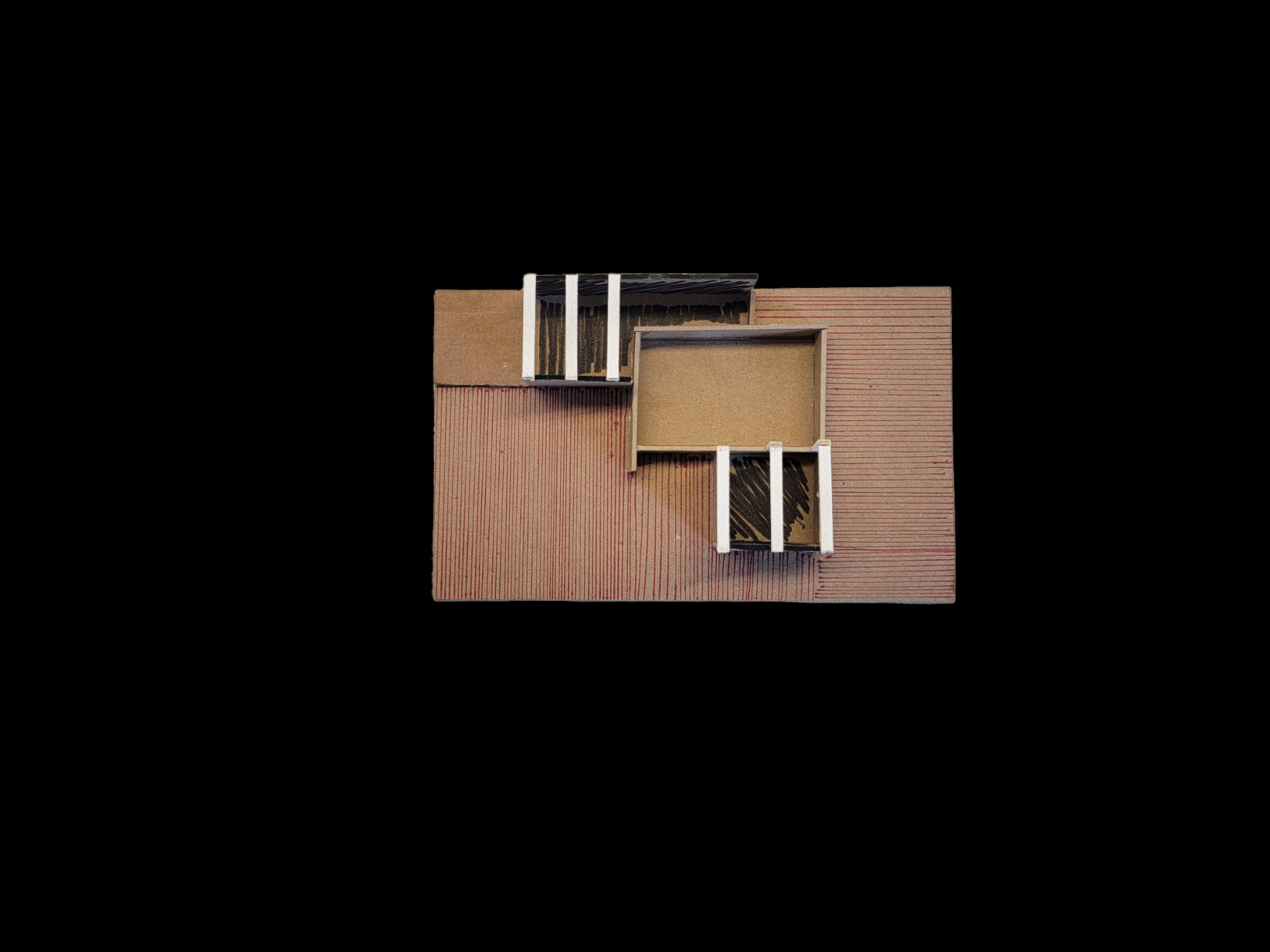
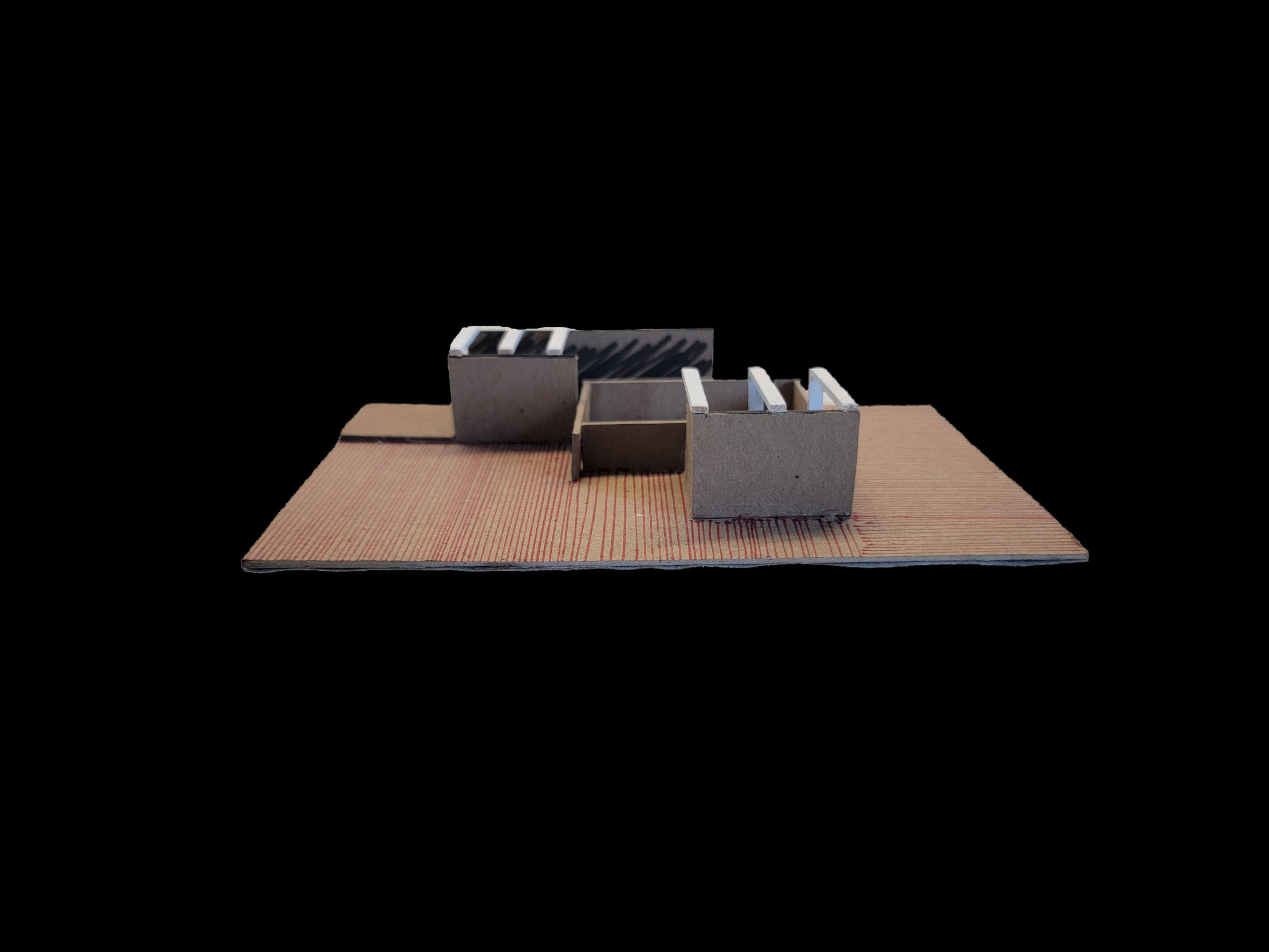
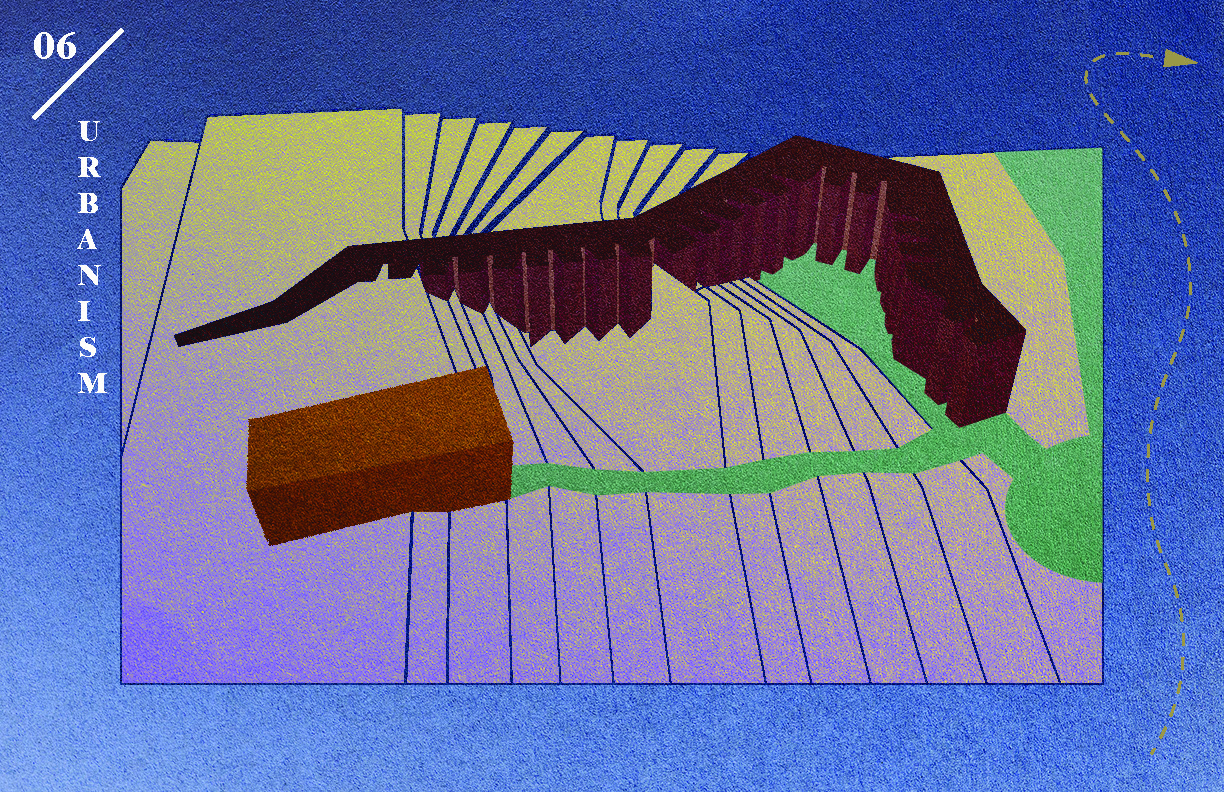
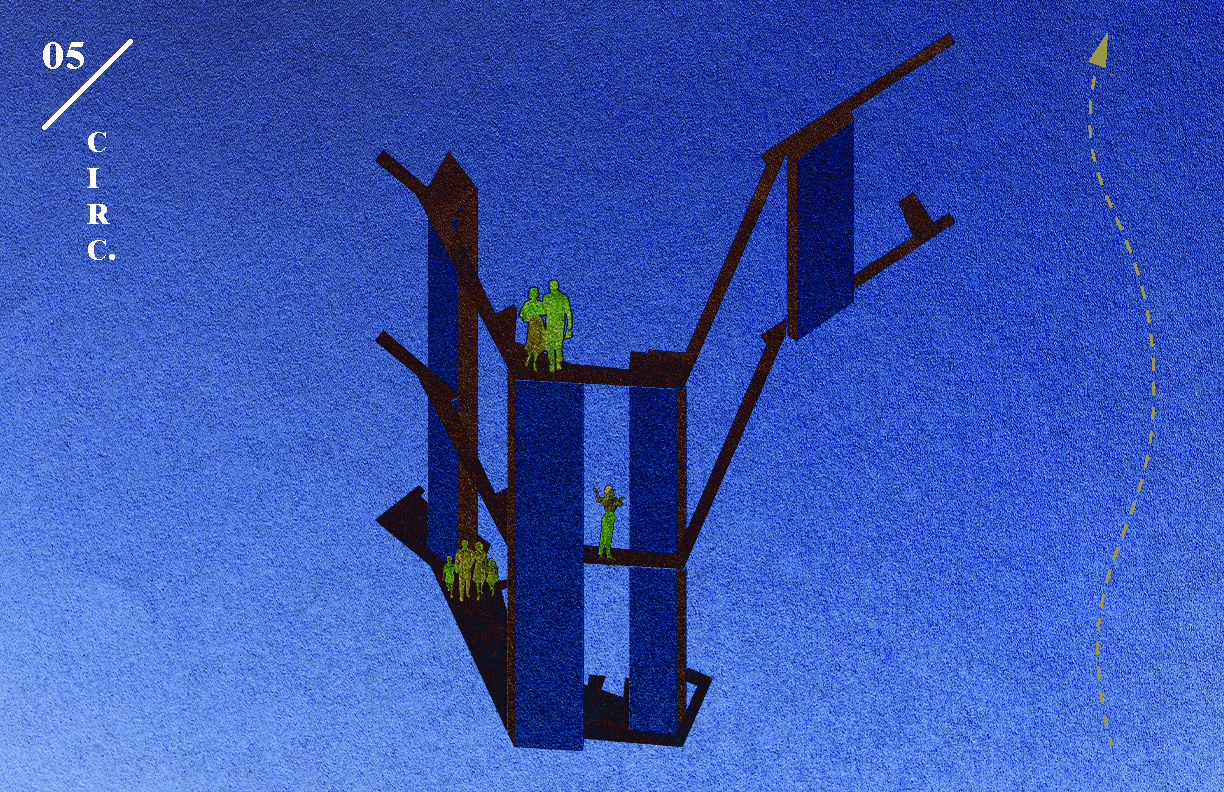
The final part of this project involved redesigning the Mar Vista tract for a higher density of living, envisioning a future where suburban ideals are reimagined to support a more collective form of dwelling. The goal was to develop an urban design framework that could accommodate approximately 30-45 dwelling units per acre, transforming the Mar Vista tract into a denser, more inclusive community. This segment of the project was done in collaboration with Gabriel Schlesing. It started with an analysis of a retirement housing community in Alcácer do Sal, Portugal by Aires Mateus.
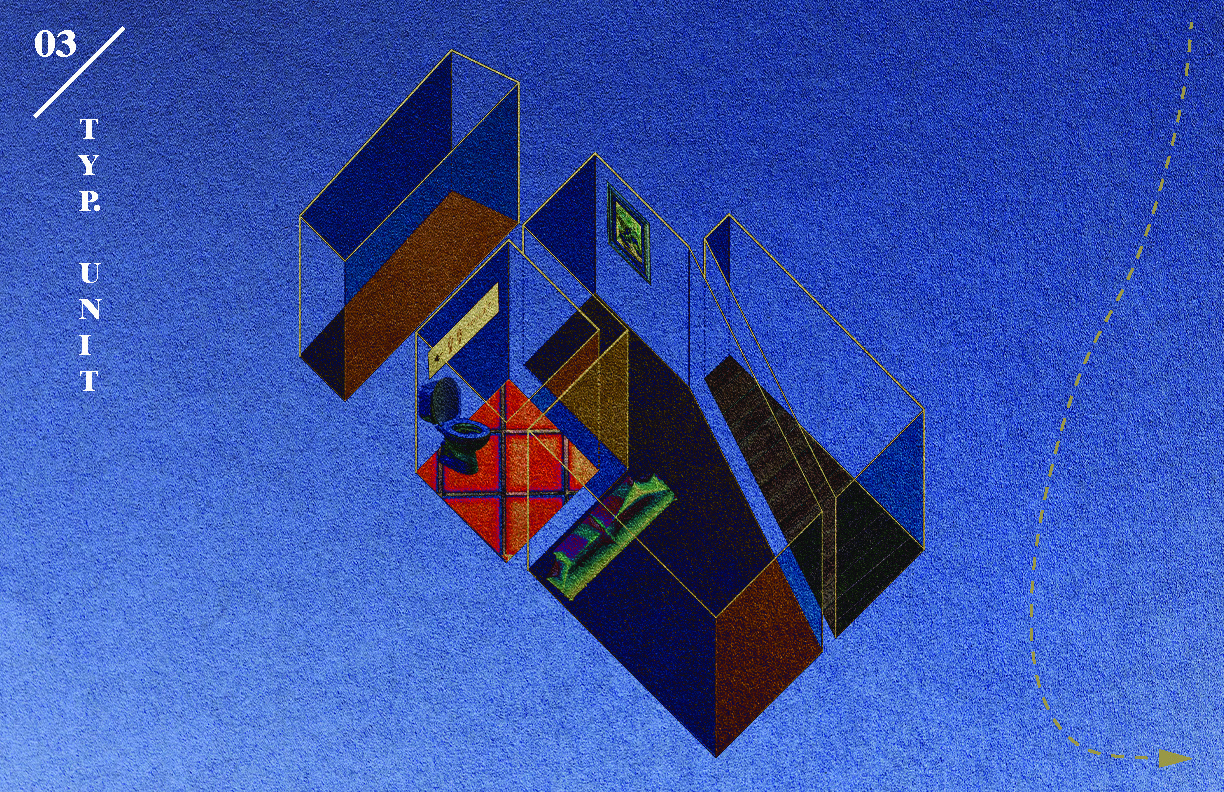
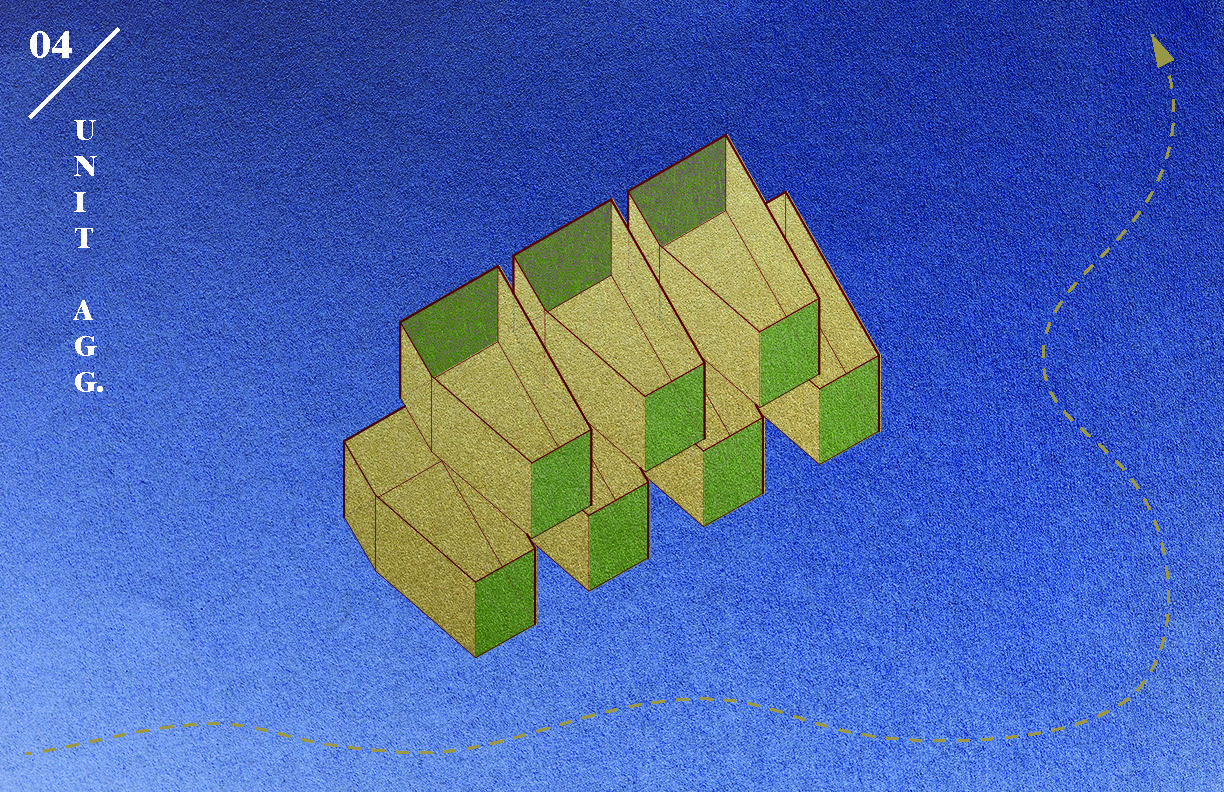
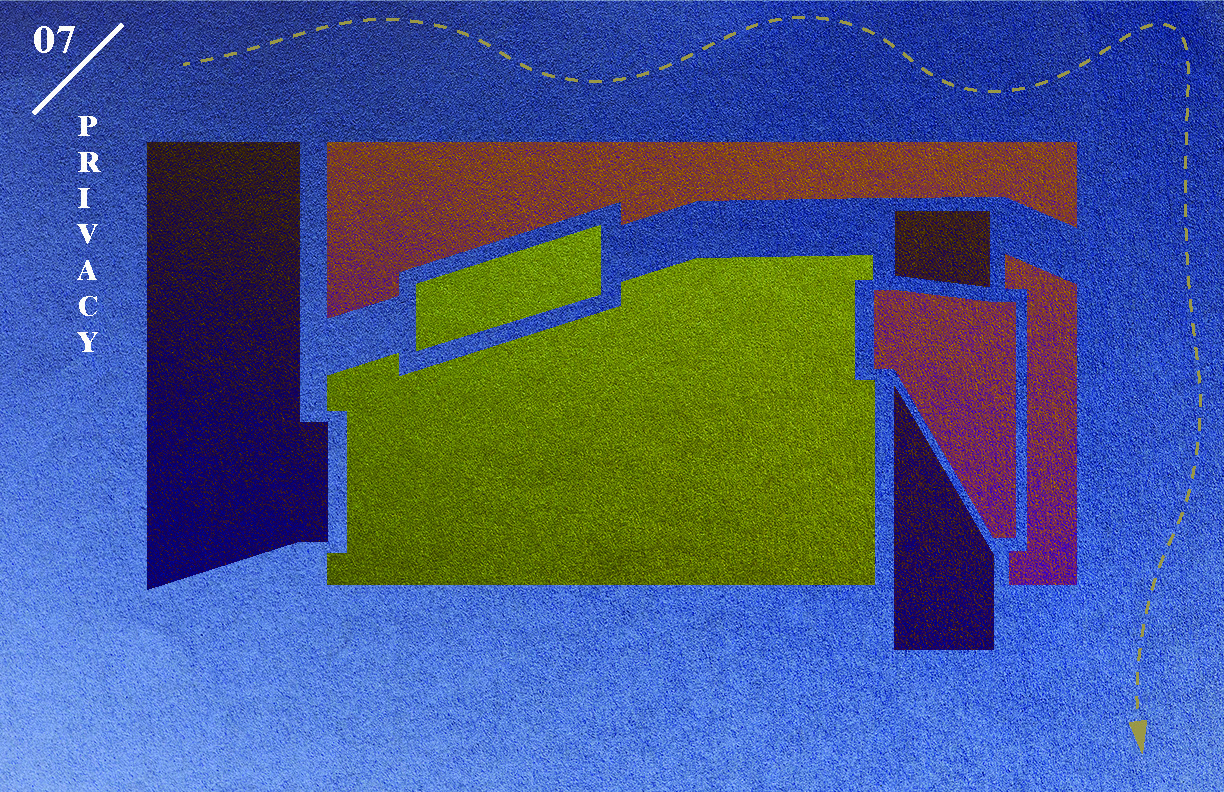

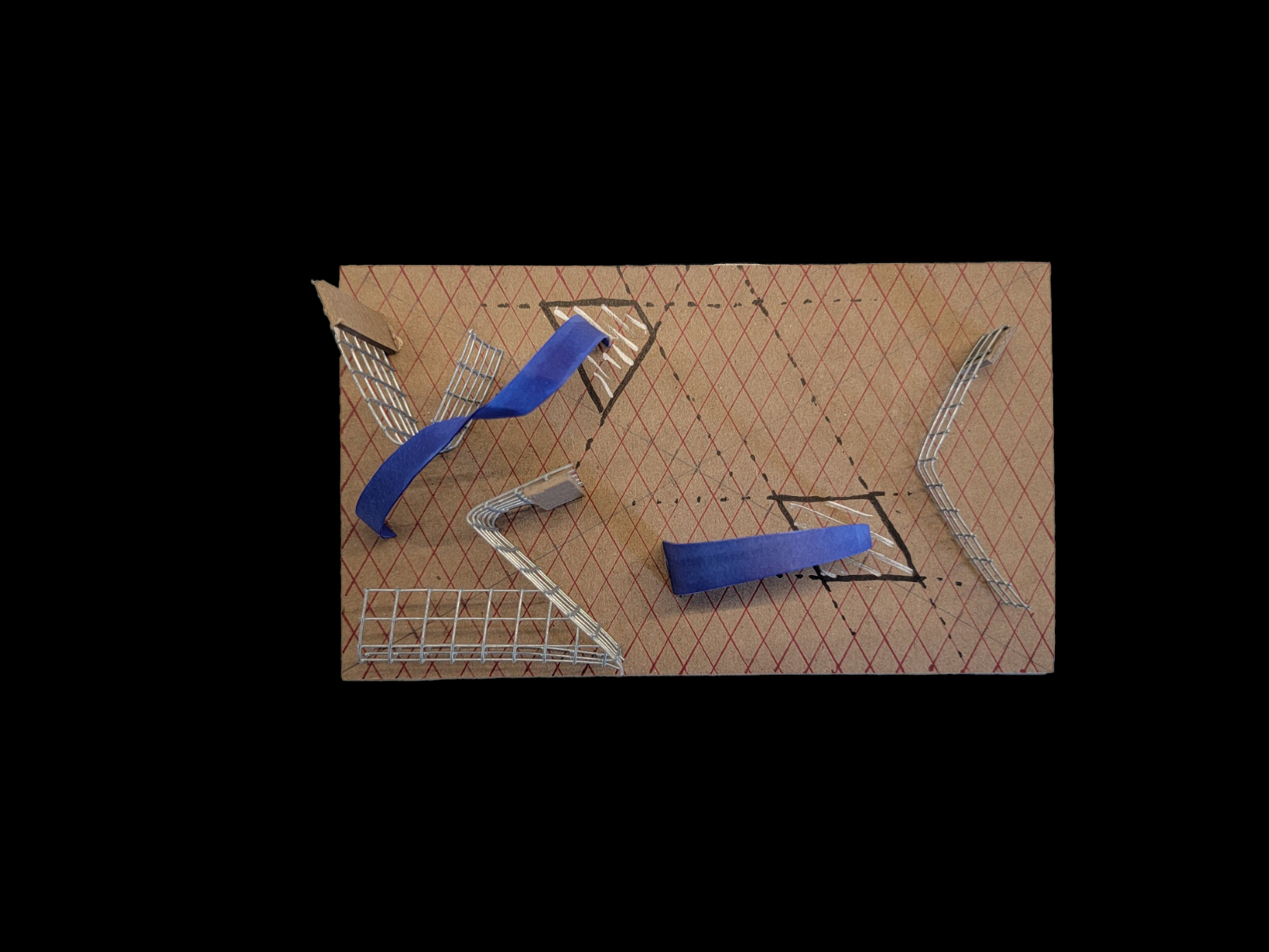
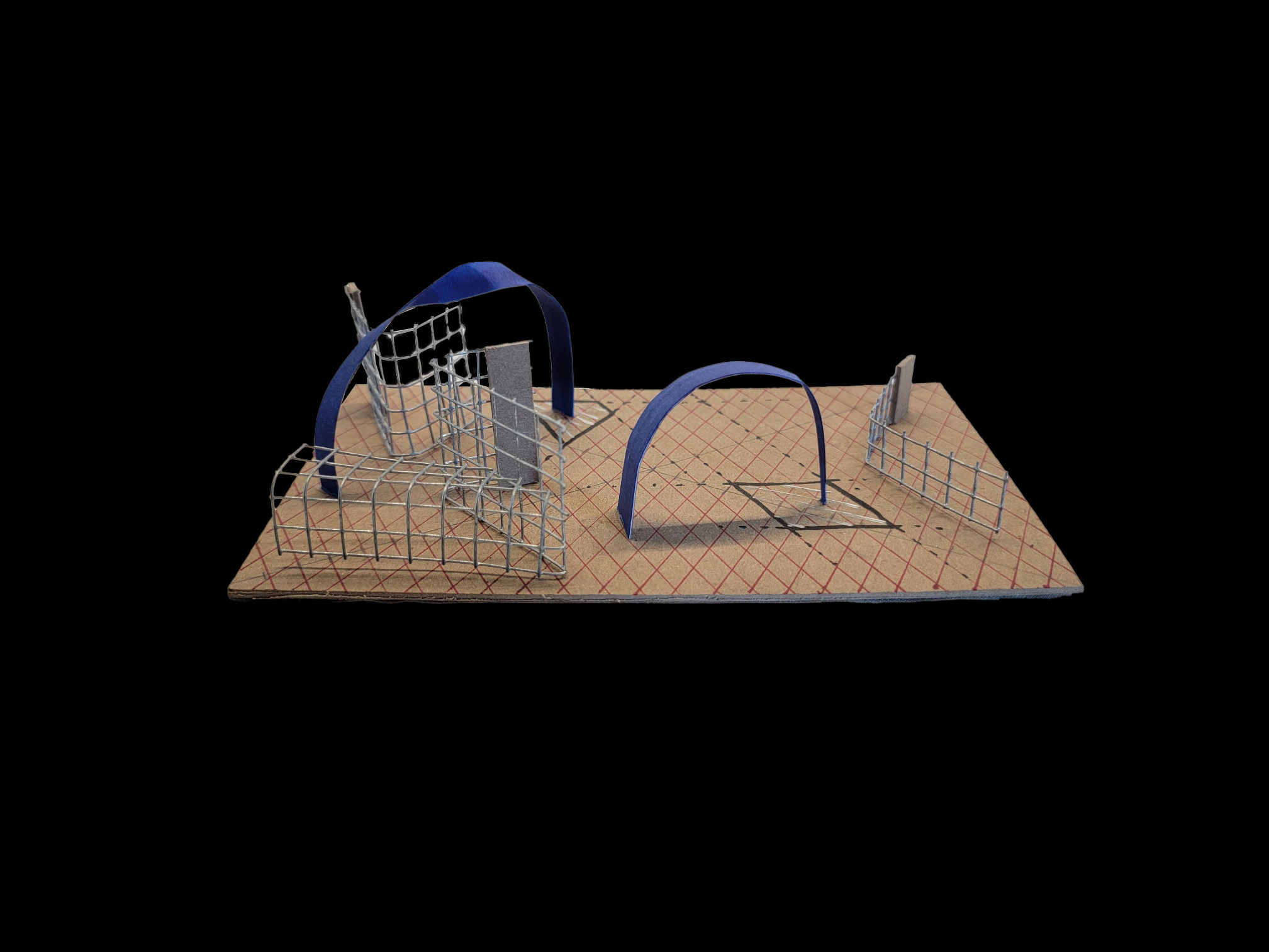
We then began studies of form and aggregation.
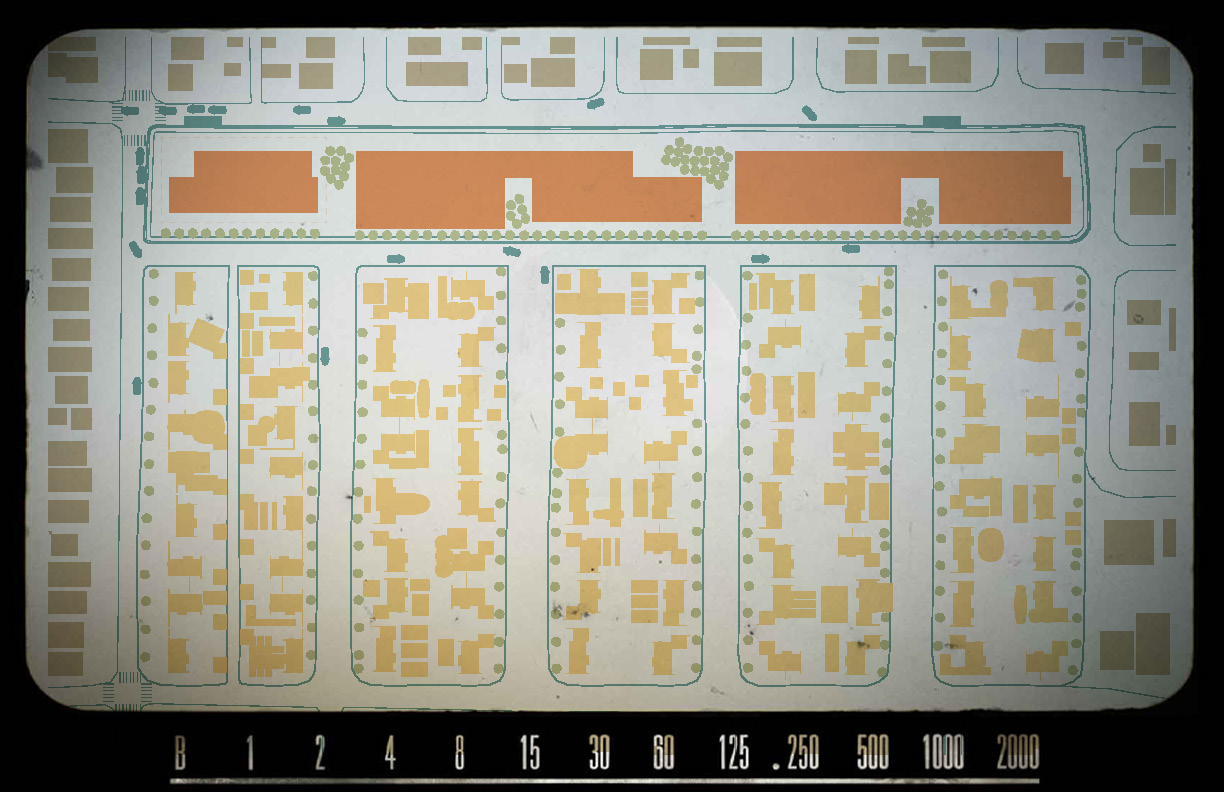
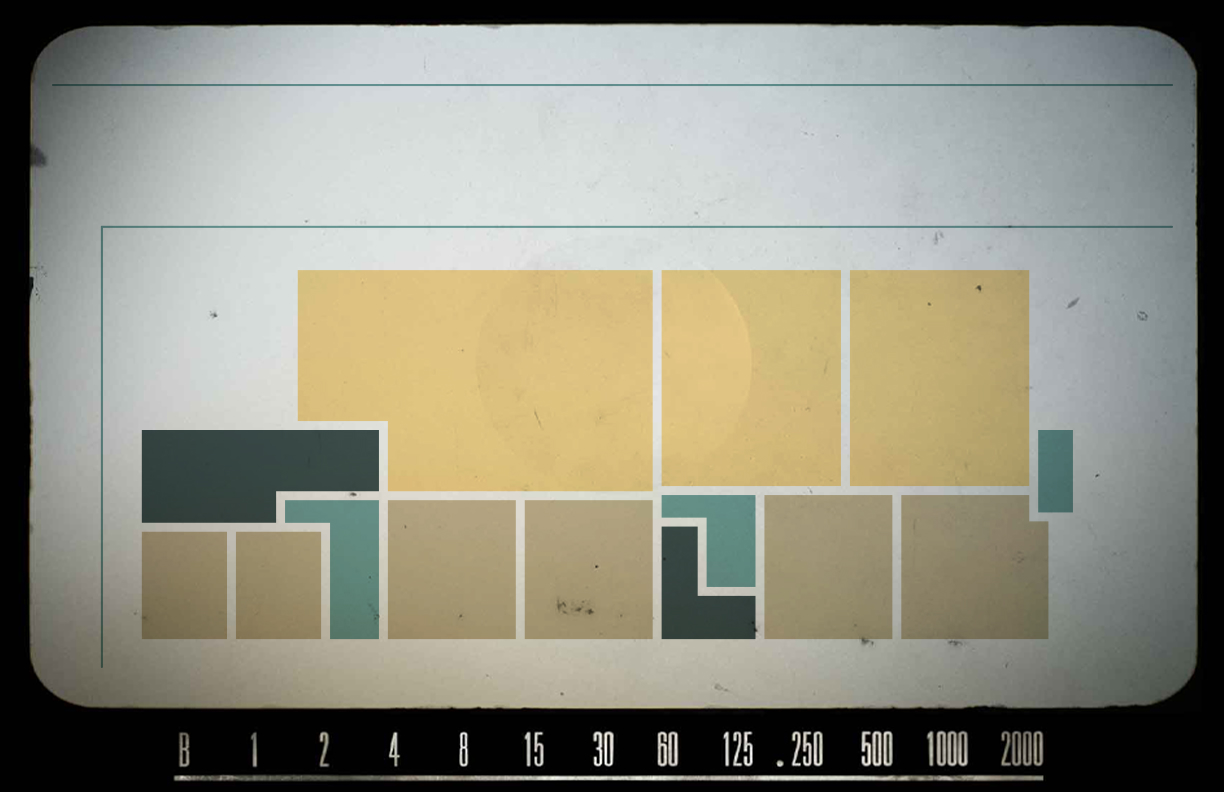
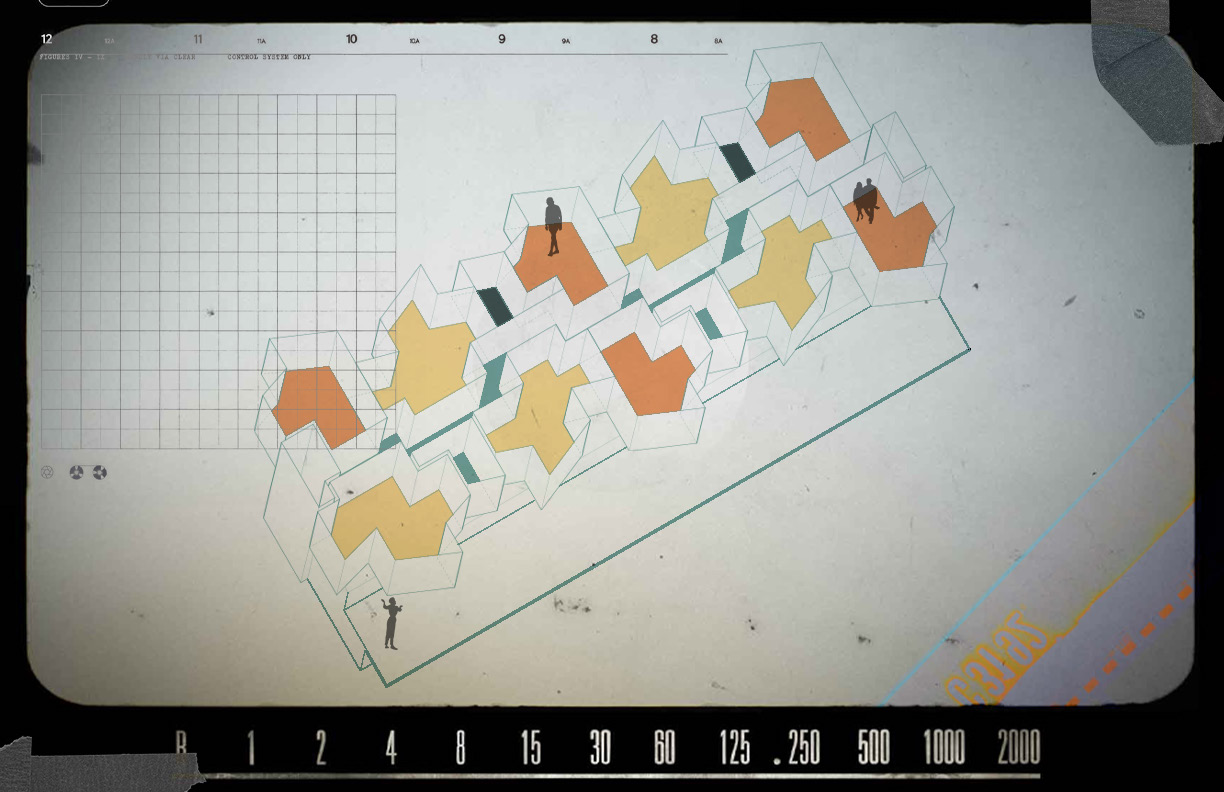
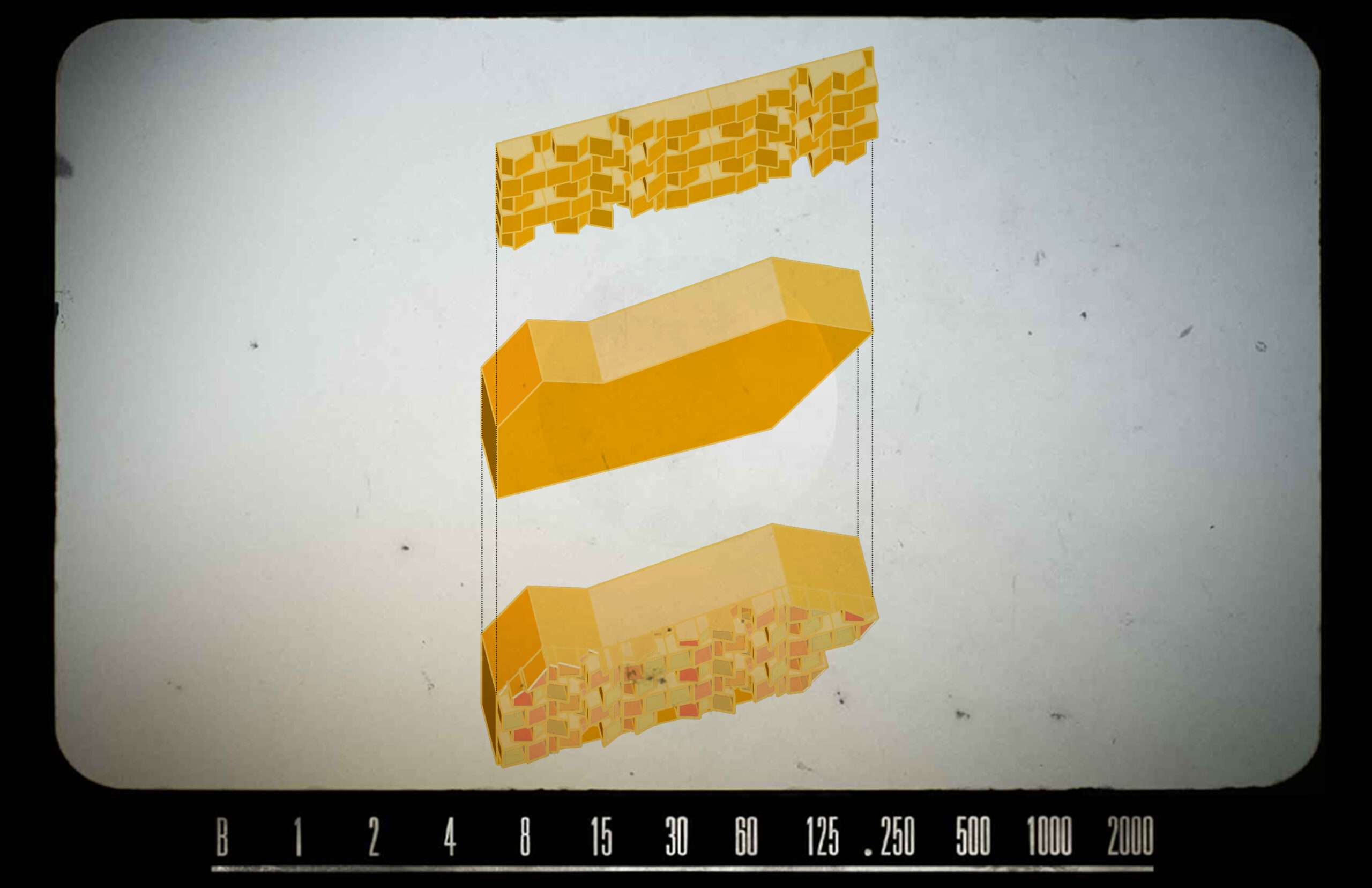
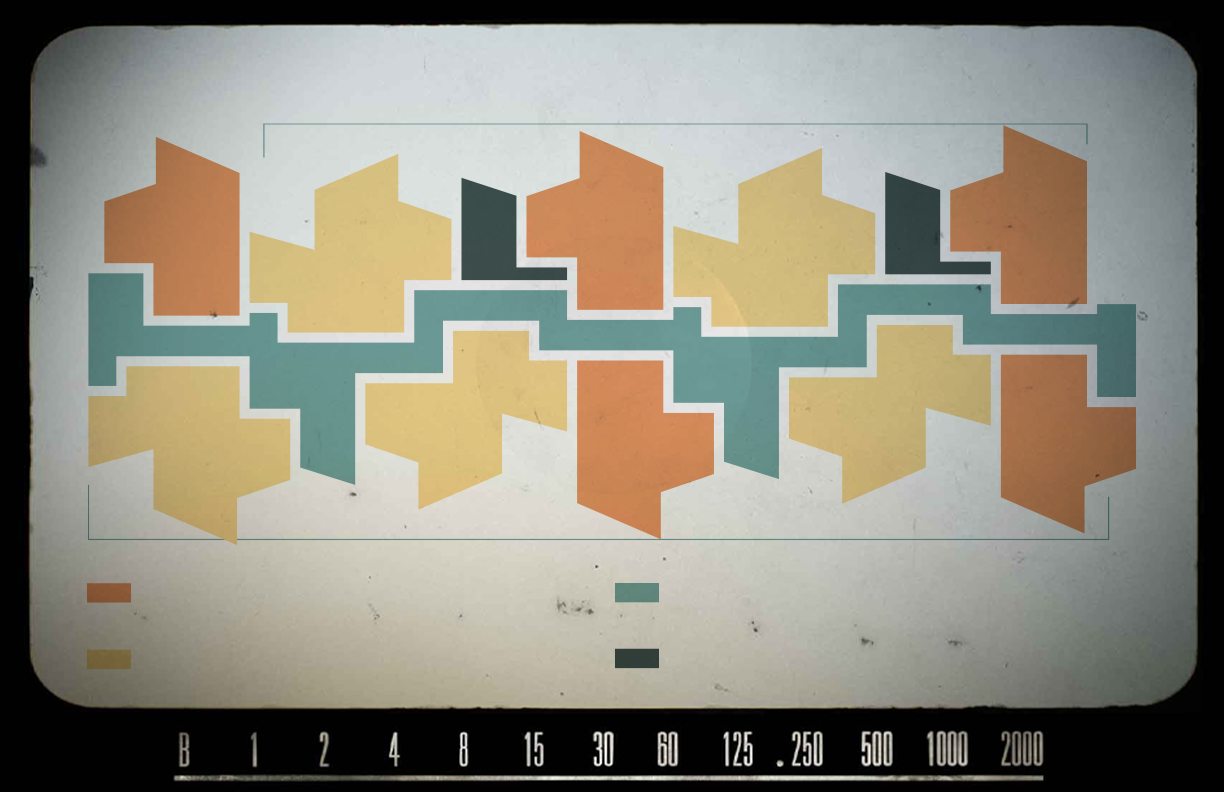
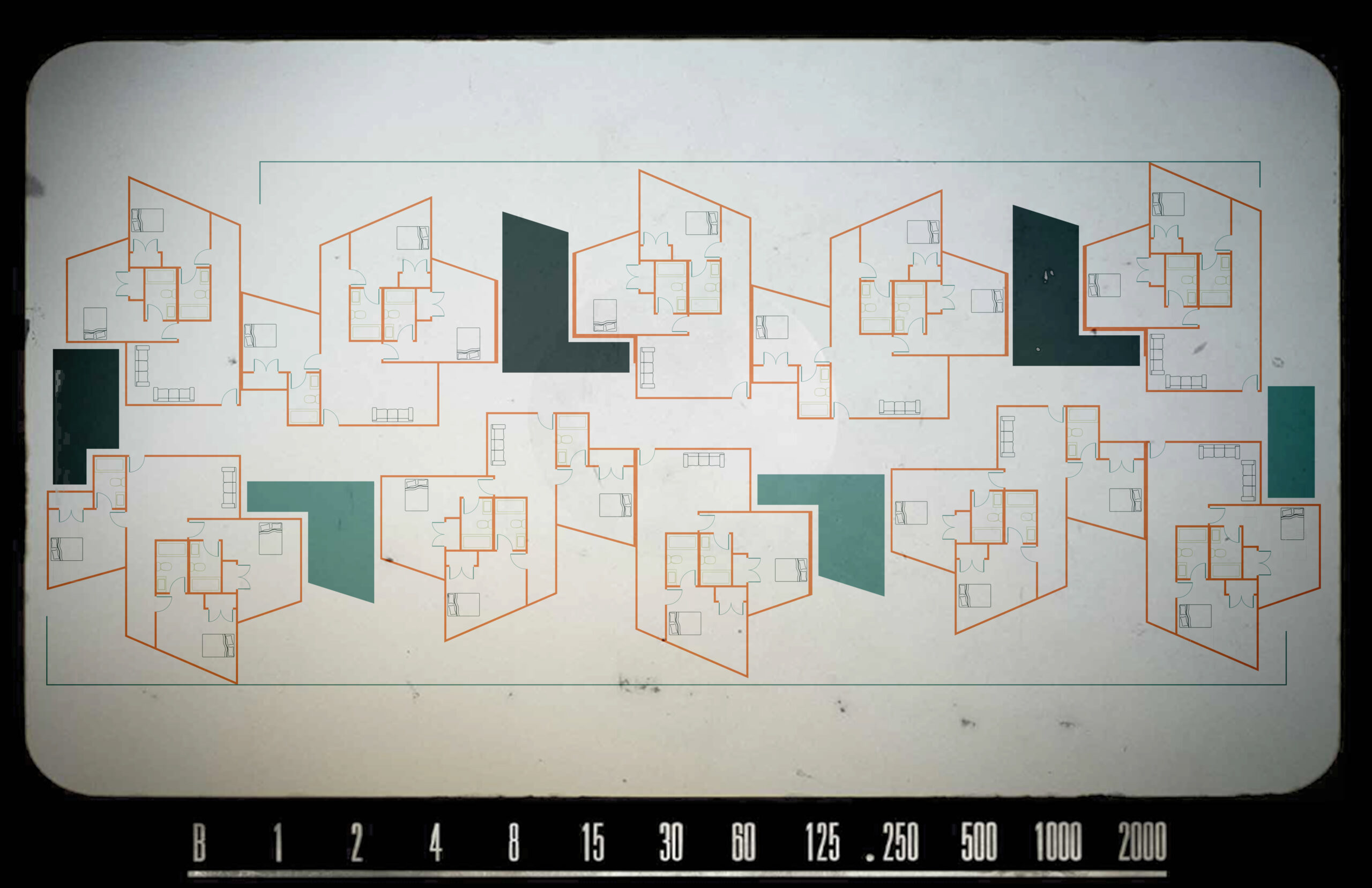
Which led us to our final deliverables.